
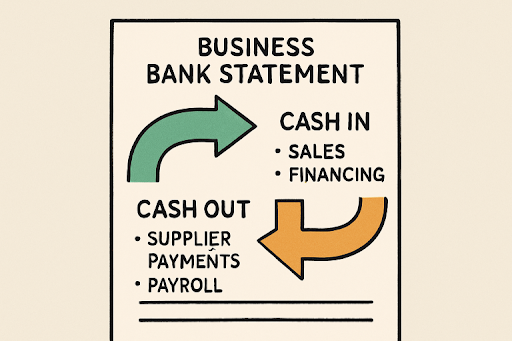
Effective cash flow management is at the heart of business sustainability, enabling companies to meet their financial obligations while setting the stage for strategic growth. With modern tools and insights, today’s leaders are equipped to adopt more innovative strategies to maintain a steady flow of capital. Leveraging options like business finance New Zealandsolutions not only helps address immediate needs but also provides flexible avenues for scaling operations, making cash flow management a pivotal factor in remaining competitive in dynamic markets.
Staying on top of every dollar in and out ensures businesses are equipped to handle challenges and capitalize on emerging opportunities. By establishing reliable systems and proactively managing every aspect of cash flow, organizations minimize the risk of financial surprises while positioning themselves for robust growth. Implementing a disciplined approach to fund allocation, accounts receivable, and automated tracking can make the journey from surviving to thriving both efficient and sustainable.
As economic cycles continue to shift and technology transforms operations, the ability to adapt cash flow strategies becomes increasingly valuable. Businesses with agile cash management frameworks can bridge shortfalls without disrupting operations, seize developmental opportunities, and build resilience against market volatility. Establishing foundational principles and modernizing processes are the first steps in future-proofing a business’s financial health.
Whether you are a seasoned entrepreneur or a new start-up, optimizing cash flow is not just about survival—it’s about creating long-term stability. These proven strategies, paired with actionable steps, can help your company address gaps, drive value, and set the course for ongoing prosperity.
Optimize Invoicing Processes
Streamlining invoicing is one of the most direct methods to improve cash inflow. Prompt invoice generation encourages clients to pay quickly, thus reducing the payment cycle. Incorporating early payment incentives can further motivate your customers to settle their accounts more quickly, thereby reducing the working capital tied up in accounts receivable. Utilizing automated billing software minimizes errors and ensures that invoices are delivered promptly, resulting in faster turnarounds on outstanding payments. For more information on setting up digital invoicing systems and their impact on small businesses, Harvard Business Review offers an in-depth exploration of best practices in automating financial processes.
Negotiate Favorable Supplier Terms
Having more time to pay vendors directly increases liquidity. By renegotiating contracts for extended payment terms, companies can bridge the gap between collecting from customers and paying suppliers. This negotiation should be part of ongoing supplier relationship management—not just a one-time request. Trusted partnerships might also provide room for more flexible arrangements, such as deferred payments or adjusting minimum order requirements during lean periods, ultimately supporting overall cash position.
Implement Efficient Inventory Management
Holding excess inventory can lead to unnecessary expenditures and immobilize capital. Adopting just-in-time (JIT) inventory systems allows businesses to align purchases closely with actual demand, minimizing surplus and reducing storage costs. Regular analysis of inventory turnover helps identify items moving too slowly, providing insights for markdowns, bundled sales, or discontinuation. By shifting focus to higher-performing stocks, companies free up resources and boost liquidity.
ReadAlso:
gregory legere theserpentrogue
contact legere theserpentrogue
Leverage Technology for Automation
Embracing automation in financial operations not only eases the administrative burden but also ensures accuracy and compliance. Automated payment schedules mean no late fees and consistent supplier relationships, while digital payroll and expense solutions make expense reporting seamless. With real-time dashboards, business owners gain deeper insight into trends and potential cash flow bottlenecks, empowering them to act quickly before issues arise. Guidance from Forbes on automating accounts payable highlights the efficiencies gained and the competitive advantage possible for businesses that embrace digital transformation.
Establish an Emergency Cash Reserve
Financial safety nets are essential for weathering unpredictable disruptions such as market downturns, natural disasters, or sudden loss of a key client. Setting aside cash reserves equivalent to 3-6 months of operating expenses provides your organization with a buffer when quick access to capital is crucial. Consider storing these funds in high-yield accounts or other secure, low-risk vehicles to maximize returns while maintaining liquidity. Prioritizing a reserve underscores the value placed on operational continuity and preparedness.
Explore Alternative Financing Options
Flexible access to funding is a lifeline for business continuity. Options such as revolving credit lines, invoice financing, or asset-based lending offer financial agility to meet short-term demands without compromising long-term goals. Assessing innovative financing structures prepares businesses not only for coping with seasonal fluctuations but also for aggressively pursuing growth in stable periods. Organizations should routinely review available financing instruments to align with shifting market realities and overall strategy.
Monitor and Forecast Cash Flow Regularly
Transparency and early detection of cash shortfalls or surpluses enable proactive adjustments in strategy. Real-time analytics and automated forecasting tools enable continuous oversight, allowing businesses to anticipate needs and optimize resource allocation. This proactive approach supports confident decision-making, minimizes financial surprises, and ensures operations stay on track even as customer behavior or market conditions evolve.
Enhance Revenue Streams
Increasing the predictability and diversity of income is central to stable cash flow. Transitioning from one-off sales to subscription or recurring revenue models provides businesses with consistent and reliable cash inflow, underpinning planning and growth. Exploring new product lines, adopting innovative service offerings, or expanding into new markets can also buffer seasonal downturns and reduce dependency on a single source of revenue, further strengthening cash flow.
Mastering cash flow management isn’t about a single fix but a series of well-executed strategies tailored to your business’s unique needs. Integrating these techniques ensures financial stability and puts organizations in the best position to thrive, even as markets and technologies continue to change.
ReadAlso:
xxv xxviii xxix xxvii xxiv xxv