
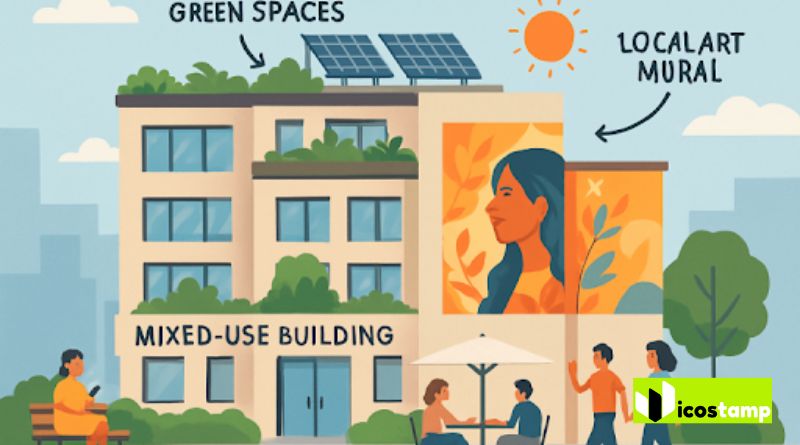
As demand for modern, vibrant communities continues to rise, developers are embracing a wealth of innovative strategies to redefine real estate. By integrating local culture and sustainability, as well as creative financing and collaborative efforts, today’s developments are offering more than just living spaces—they’re presenting lifestyle-centric destinations. The expertise of industry leaders like Park City UT real estate agent Richard Taleghani further highlights how these strategic approaches can shape desirable communities and drive value in the marketplace.
From art installations to green buildings and mixed-use designs, these innovative strategies promote engagement and reshape urban living. Developers adopting these methods attract buyers, investors, and foster resilient neighborhoods. By evolving with expectations, they lead industry transformation. New financing and environmental partnerships support these trends, making projects both visionary and viable. For homeowners and communities, this opens opportunities for sustainable, connected living. The focus on wellness, clean energy, and artistic integration is now standard, shaping cities to benefit residents and the environment.
Integrating Art to Revitalize Communities
Contemporary real estate projects increasingly embed local artists, breathing life and culture into new developments. Properties like The Upton in Atlanta invite artists to live and create on-site, infusing communal spaces with fresh perspectives and fostering a sense of community among residents. This approach doesn’t just elevate aesthetics—it fosters relationships and transforms once-generic developments into hubs of creativity and connection.
When art is a central pillar, communities thrive, attracting new residents, shoppers, and business owners who value originality and creativity, these enhancements, backed by research from sources like The New York Times, show that art-focused spaces often experience increased foot traffic and revitalized neighborhoods.
Embracing Sustainable Design and Wellness
Eco-conscious building is now a priority for developers and homebuyers alike. By utilizing recycled materials, energy-efficient systems, and integrating natural elements, projects minimize their environmental impact and promote resident well-being. These efforts not only reduce energy costs but also cater to the growing market of green, wellness-focused buyers, thereby contributing to the long-term success of the development.
Smart home integration, improved air quality systems, and nature-inspired designs appeal to buyers looking to align their values with their living conditions. As highlighted by recent studies from Forbes, environmentally responsible developments tend to command stronger interest and loyalty among today’s consumers.
Developing Mixed-Use Spaces for Modern Lifestyles
New projects are maximizing land use by blending residential, commercial, and recreational offerings. Residents enjoy effortless access to workplaces, dining, retail, and leisure—all within a stroll of their doorstep. This live-work-play model not only appeals to busy professionals but also fosters a cohesive and vibrant community culture. By meeting evolving lifestyle preferences and reducing daily commutes, mixed-use developments are becoming the heart of urban renewal.
Innovative Financing for Sustainable Projects
Securing capital for forward-thinking projects often requires new financing solutions. Green bonds have moved to the forefront, connecting developers with investors who value environmentally sustainable outcomes. These instruments enable developers to commit to renewable energy, water conservation, and emissions targets while enjoying favorable lending terms. The movement toward sustainable finance is making large-scale, eco-friendly construction increasingly practical and appealing to a diverse pool of backers.
Collaborative Partnerships for Enhanced Sustainability
Modern industry advances rely on partnerships with clean-energy providers, such as solar and wind farms, to reduce carbon footprints. In Europe, such collaborations produce tens of millions of kilowatt-hours annually, setting new standards for responsible real estate. These alliances minimize long-term energy costs and enhance a developer’s sustainability reputation, attracting eco-conscious buyers and investors. By embracing these strategies, developers can create communities that are socially vibrant, environmentally resilient, and financially sustainable, thereby meeting the needs of modern society.
Read Also: